

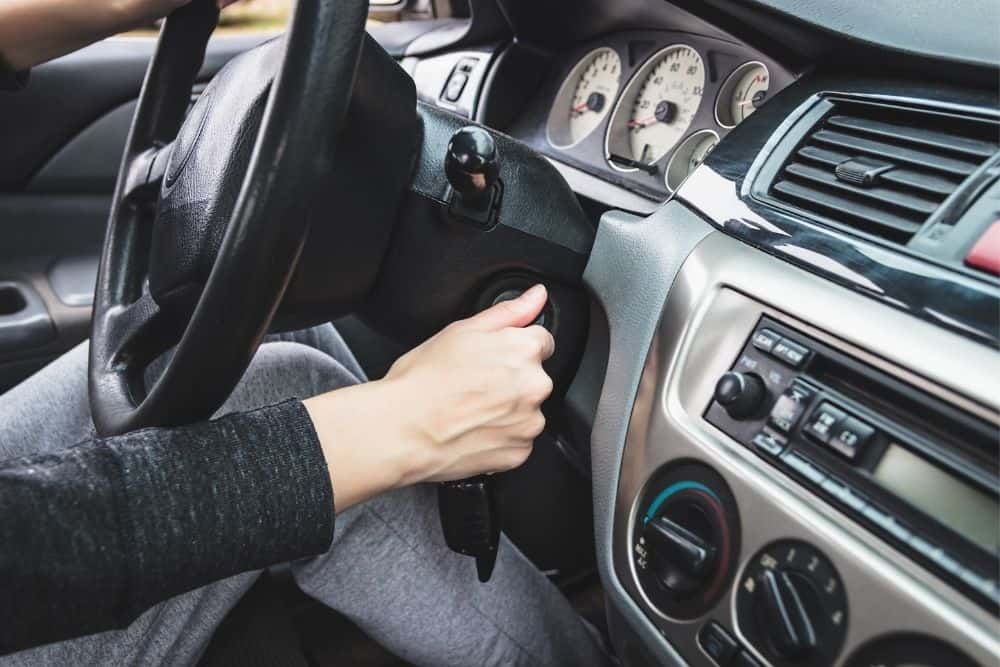
A buzzing, whirring, or clicking sound when you try to start your car can be a warning that something in the starting or electrical system needs attention. While the starter is one possible cause, similar symptoms can also come from a weak battery, poor electrical connections, or another starting-system problem. If your vehicle begins making a new or unusual sound when you turn the key or press the start button, it’s worth having the cause diagnosed before you end up with a vehicle that won’t start.
Noises Before Ignition
When you start your vehicle, the starter motor engages the engine and turns it over so the engine can begin running. If you hear buzzing, whirring, clicking, or grinding during this process, the starter may not be engaging correctly. These noises can also occur when the battery is weak or there is excessive resistance in an electrical connection.
Sometimes the vehicle will start and the noise will stop. If an unusual starter noise continues after the engine starts, have the vehicle inspected promptly. The starter should disengage once the engine is running.
An Engine That Won’t Start
Sometimes a starting-system problem develops gradually, but other times your vehicle may simply fail to start without much warning. When you turn the key or press the start button, pay attention to what happens. The engine may crank slowly, you may hear a single click or repeated clicking, or the engine may not crank at all.
These symptoms can be caused by the battery, starter motor, starter solenoid, electrical connections, or another part of the starting circuit. Proper testing is the best way to determine what is actually preventing the engine from starting.
Lights That Still Work
It’s natural to suspect the battery when your engine won’t start. Your vehicle’s lights can provide a clue, but they aren’t a definitive test. If the headlights are extremely dim or go out when you attempt to start the engine, a weak battery or poor electrical connection may be involved.
If the lights appear normal but the engine doesn’t crank, the starter or another part of the starting circuit could be responsible. Keep in mind that headlights require much less electrical current than the starter motor. A battery can sometimes power the lights while still being too weak to start the engine.
Smoke and Burning Odors
Smoke or a burning electrical smell while attempting to start your vehicle should never be ignored. Repeated attempts to start the engine can overheat the starter motor, wiring, or electrical connections.
If you notice smoke or a strong burning odor while the vehicle refuses to start, stop trying to start it and have the vehicle inspected. Continuing to operate the starting system could cause additional damage.
Don’t Wait Until Your Car Won’t Start
Buzzing, whirring, clicking, slow cranking, or intermittent starting problems are all signs that your vehicle should be checked. Diagnosing the problem early can help prevent the inconvenience of walking out to your vehicle and discovering that it won’t start.
Primary Care Auto Repair can test your battery, starter, charging system, and related electrical components to determine what’s actually causing the problem. If your vehicle is showing signs of a starting-system problem, schedule an appointment and we’ll diagnose the issue and advise you on the appropriate repair.