

Article
What Is a Fuel & Air Induction Service, and Do You Need One?
Your vehicle doesn't usually lose performance overnight.
Instead, it happens gradually. Maybe the engine doesn't accelerate quite like it used to. Perhaps fuel economy has slipped, the idle feels rough, or the throttle isn't as responsive as you remember.
If your vehicle has a modern gasoline direct injection (GDI) engine, carbon buildup could be the reason.
A professional Fuel & Air Induction Service is designed to remove harmful deposits from your engine's fuel and air systems, helping restore performance and keep your engine running the way it was designed.
Why Do Modern Engines Develop Carbon Buildup?
Today's engines are incredibly efficient, but they also run hotter and operate under tighter emissions standards than ever before.
Unlike older engines, fuel in many modern GDI engines is injected directly into the combustion chamber instead of washing over the intake valves. Over time, oil vapors and combustion byproducts can stick to these valves and other engine components, creating hard carbon deposits.
Think of it like cholesterol building up inside an artery. The buildup doesn't happen overnight, but eventually it restricts normal flow and reduces efficiency.
The same thing can happen inside your engine.
Common Signs Your Vehicle May Need a Fuel & Air Induction Service
You may benefit from this service if you've noticed:
- Rough idle
- Hesitation during acceleration
- Reduced engine power
- Slower throttle response
- Decreased fuel economy
- Engine feels sluggish
- Carbon buildup found during inspection
These symptoms don't always mean carbon buildup is the cause, but they are common warning signs that should be evaluated by a qualified technician.
What Does the Service Actually Do?
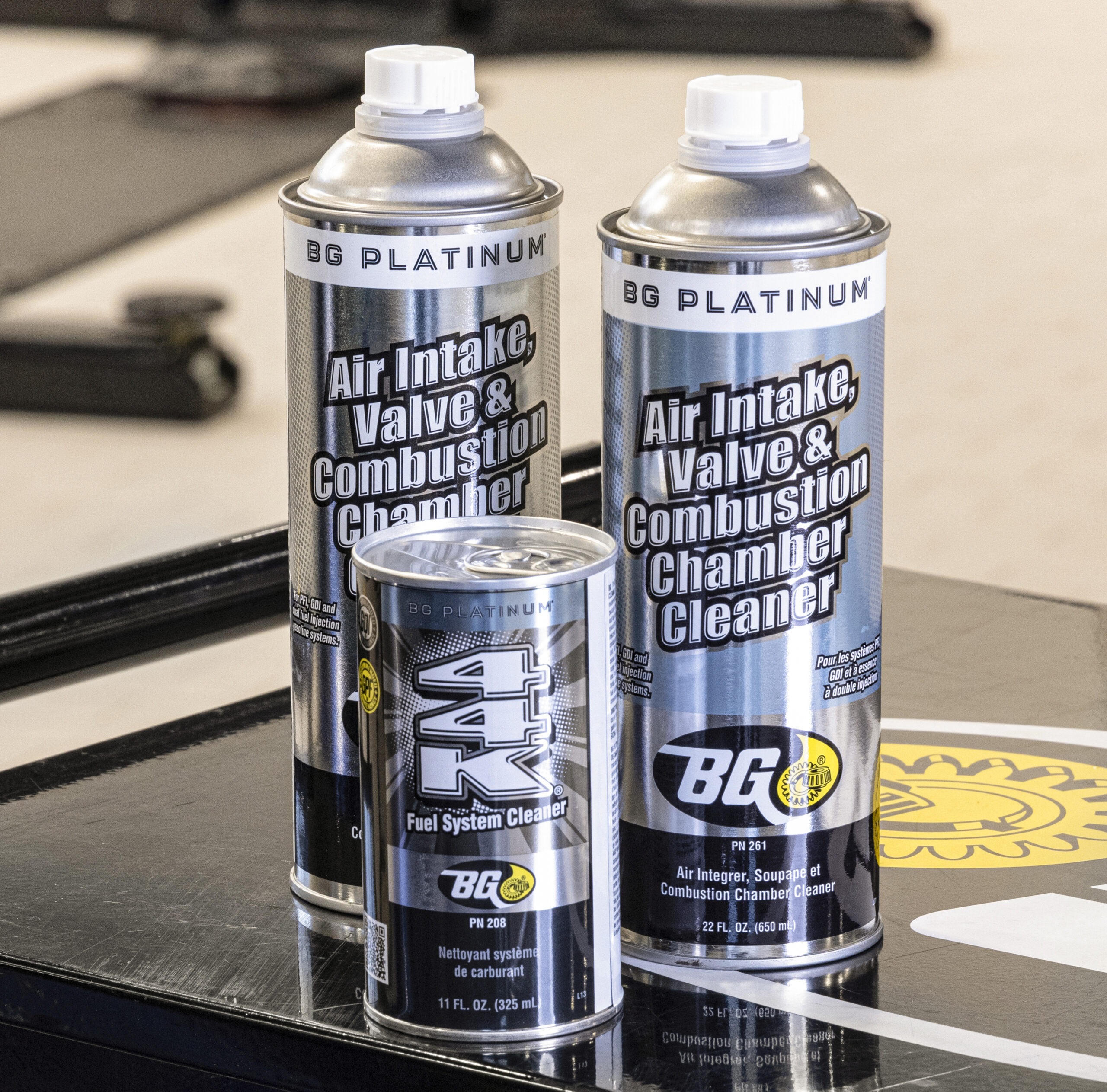
A professional Fuel & Air Induction Service is much more than pouring a bottle of cleaner into the gas tank.
Using specialized equipment and professional-grade cleaning products, technicians clean deposits from critical engine components, including areas that standard fuel additives can't effectively reach.
Depending on your vehicle, the service may include cleaning:
- Fuel injectors
- Air intake system
- Throttle body
- Intake valves (when applicable)
- Combustion chamber deposits
The goal is to restore proper airflow, improve fuel delivery, and help your engine operate as efficiently as possible.
Which Vehicles Benefit the Most?
While many fuel-injected vehicles can benefit from this service, it is especially valuable for vehicles equipped with Gasoline Direct Injection (GDI) engines.
Many manufacturers now use GDI technology because it improves power and fuel economy—but it also makes intake valve carbon buildup much more common than it was in older engine designs.
When Should You Have This Service Performed?
There isn't a one-size-fits-all schedule.
Driving habits, fuel quality, vehicle design, and mileage all play a role.
Many manufacturers and maintenance professionals recommend evaluating your fuel and air system approximately every 15,000 miles or sooner if you're experiencing drivability concerns.
At Primary Care Auto Repair, we don't recommend services simply based on mileage. Instead, our certified technicians inspect your vehicle and advise you based on its condition and your driving habits.
Can This Service Prevent Bigger Problems?
Routine maintenance often costs far less than waiting until a problem develops.
Removing carbon deposits before they become excessive may help:
- Maintain engine performance
- Improve throttle response
- Restore lost fuel economy
- Reduce drivability complaints
- Help extend the life of engine components
Like changing your engine oil or replacing air filters, preventive maintenance is often the least expensive repair you'll ever make.
Frequently Asked Questions
Is a Fuel & Air Induction Service the same as fuel injector cleaner?
No. While fuel injector cleaner treats the fuel system, a professional induction service cleans multiple engine components using specialized equipment that reaches areas a bottle of additive cannot.
Will this fix my Check Engine Light?
Not necessarily.
A Check Engine Light can be caused by hundreds of different issues. If carbon buildup is contributing to the problem, this service may help, but proper diagnostics should always be performed first.
How long does the service take?
Most Fuel & Air Induction Services can be completed in a few hours, depending on the vehicle and the procedures required.
Is it worth doing?
If your vehicle is experiencing carbon-related performance issues—or your technician recommends the service based on inspection—it can be an excellent investment in maintaining engine performance and efficiency.
Keep Your Engine Performing at Its Best
Modern engines are incredibly sophisticated, and keeping them clean is an important part of long-term reliability.
If you've noticed rough idle, sluggish acceleration, or declining fuel economy, our certified technicians can inspect your vehicle and determine whether a Fuel & Air Induction Service is right for you.
If it isn't needed, we'll tell you that too.
That's the way we believe auto repair should be.
Previous & Next Article
Since your Car Care Center is still growing, I'd keep Previous and Next turned off for now. We talked about this earlier, and I still think it's the right call. Once you have 10–15 articles, we'll enable them and order the content intentionally rather than just by publish date.
For this article, I'd set:
- Previous Article: None
- Next Article: None
Eventually, I would create a sequence like this:
- Check Engine Light: What It Means
- What Is a Fuel & Air Induction Service, and Do You Need One?
- 7 Signs Your Fuel Pump Is Going Out
- Why Your Car Is Losing Gas Mileage
- Why Your Engine Is Running Rough