

Understanding the Right Oil Change Interval
Most drivers know that regular oil changes are important, but many aren't sure exactly when their vehicle needs one. The old rule of changing your oil every 3,000 miles no longer applies to most modern vehicles. Today's engines and synthetic oils often allow for much longer service intervals, but the correct schedule depends on your vehicle, your driving habits, and the type of oil being used.
Why Engine Oil Matters
Engine oil lubricates hundreds of moving parts inside your engine. It helps reduce friction, prevents excessive heat, cleans away contaminants, and protects internal components from premature wear. Over time, however, oil breaks down and loses its ability to protect your engine effectively.
Ignoring routine oil changes can lead to sludge buildup, increased engine wear, reduced fuel economy, and, in severe cases, catastrophic engine damage.
How Often Should You Change Your Oil?
For most modern vehicles using full synthetic oil, manufacturers typically recommend oil changes every 5,000 to 10,000 miles or every 6 to 12 months, whichever comes first.
However, your vehicle may require more frequent service if you regularly:
- Drive short distances where the engine never fully warms up
- Spend time in heavy stop-and-go traffic
- Tow trailers or carry heavy loads
- Drive in extremely hot or cold temperatures
- Frequently drive on dusty roads
Always follow your vehicle manufacturer's maintenance schedule whenever possible.
Signs Your Vehicle May Need an Oil Change
Don't rely solely on mileage. Your vehicle may be telling you it's time for service if you notice:
- The oil change or maintenance reminder light comes on
- Engine oil appears dark and dirty
- Increased engine noise
- Reduced fuel economy
- A burning oil smell
- Low oil level on the dipstick
If you're unsure, a professional inspection can quickly determine whether your oil still provides adequate protection.
Choosing the Right Oil
Not all motor oils are the same. Modern engines are designed to use specific oil viscosities and manufacturer-approved formulations.
Using the wrong oil may reduce fuel economy, increase engine wear, or even affect warranty coverage.
At Primary Care Auto, we always install the oil grade and specification recommended by your vehicle's manufacturer.
What Happens During an Oil Change?
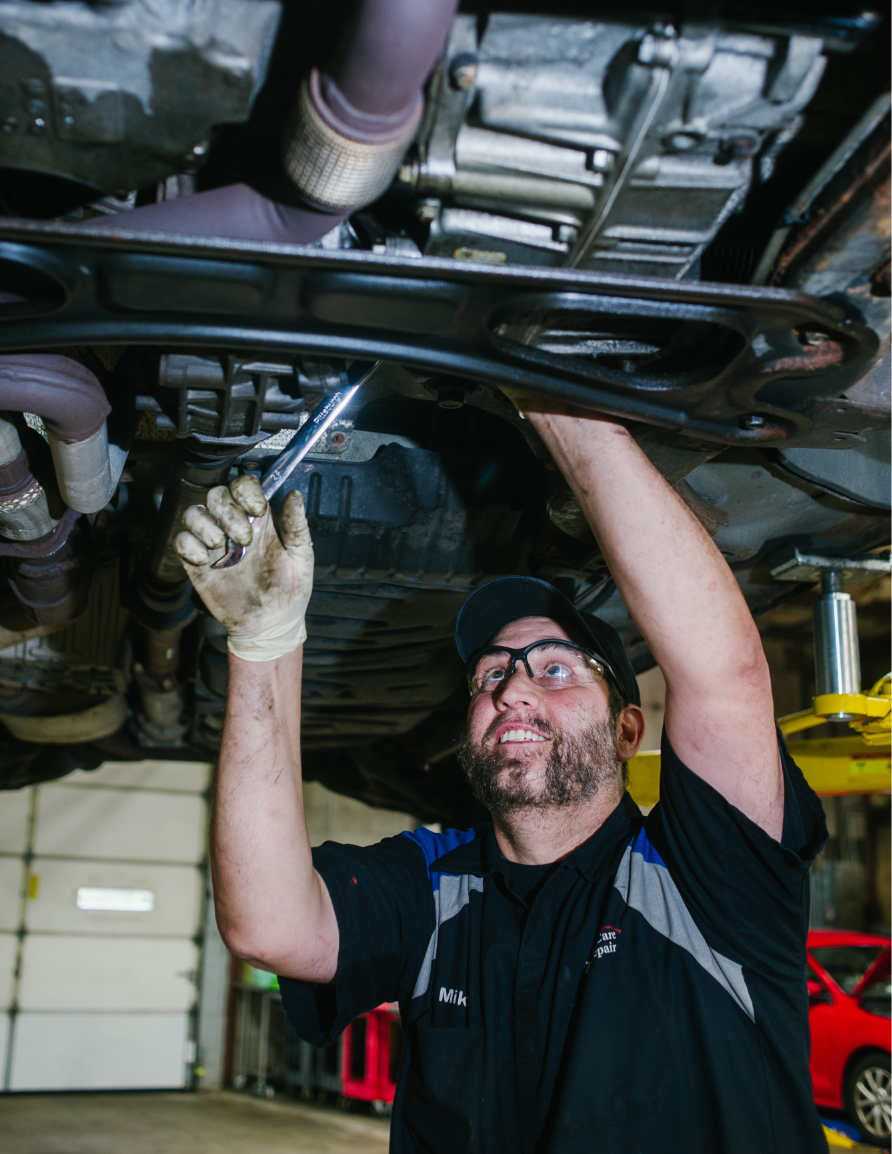
An oil change is more than simply draining old oil and installing new oil. During every service, our certified technicians also:
- Replace the engine oil filter
- Inspect fluid levels
- Check tire pressure
- Inspect belts and hoses
- Look for leaks
- Perform a visual inspection of key safety components
This helps identify small problems before they become expensive repairs.
Protect Your Investment
Routine oil changes are one of the least expensive maintenance services you can perform, yet they provide some of the greatest long-term value. Staying on schedule helps maximize engine life, improve reliability, and maintain your vehicle's performance for years to come.
If it's time for your next oil change, the certified technicians at Primary Care Auto are here to help. We'll service your vehicle using the correct oil, quality filters, and a thorough inspection so you can drive with confidence.