

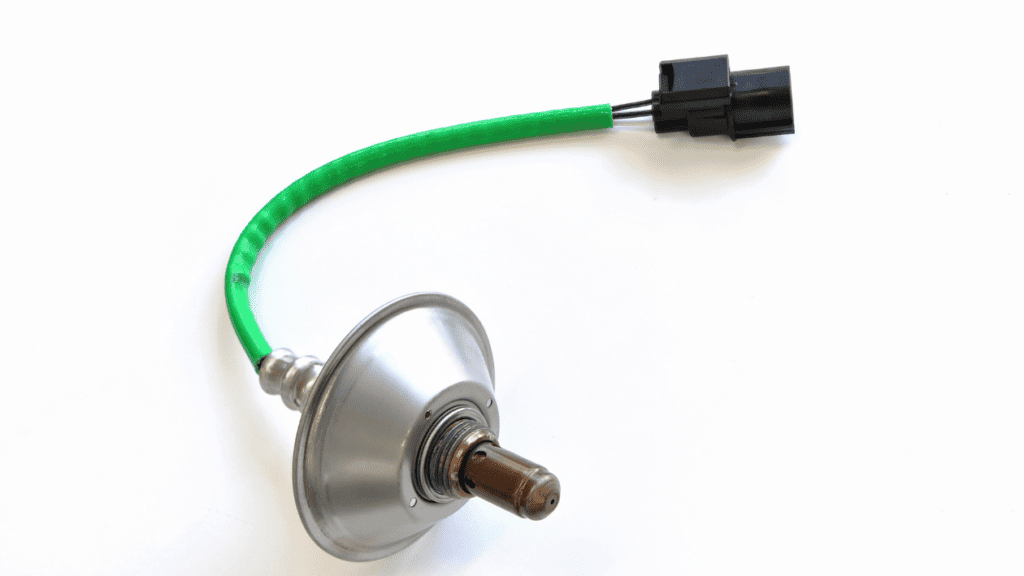
Yes, a faulty oxygen sensor can contribute to catalytic converter damage, although the damage usually happens indirectly. Your vehicle’s oxygen (O2) sensors monitor the amount of oxygen in the exhaust and provide information the engine computer uses to control the air-fuel mixture.
If an oxygen sensor sends inaccurate information, the engine may run too rich, meaning it burns more fuel than necessary. Unburned fuel can enter the exhaust system and cause the catalytic converter to operate at excessively high temperatures. Over time, this can damage the converter and lead to an expensive repair.
At Primary Care Auto Repair, we advise having an oxygen sensor problem diagnosed rather than simply ignoring the check engine light. Here are some of the warning signs you may notice.
Faulty O2 Sensor Triggers the Check Engine Light
A faulty oxygen sensor can trigger your check engine light. Your vehicle’s engine control module continuously monitors information from the oxygen sensors and may store a diagnostic trouble code when their readings fall outside the expected range.
A check engine light does not automatically mean the oxygen sensor itself needs replacement. Many different problems can produce similar symptoms or trouble codes, which is why proper testing and diagnosis are important before replacing parts.
Excess Exhaust Smoke
An incorrect air-fuel mixture can sometimes cause visible exhaust smoke. If the engine is running excessively rich, you may notice darker exhaust coming from the tailpipe.
A rich-running engine can also send excess fuel into the exhaust system, placing additional stress on the catalytic converter. If you notice unusual exhaust smoke, odors, or other changes in your vehicle's exhaust, have the cause diagnosed.
Fuel Efficiency Loss
A failing oxygen sensor can also contribute to reduced fuel economy. If incorrect sensor information causes the engine to use more fuel than necessary, you may notice that you're filling the tank more frequently or getting fewer miles per gallon.
Poor fuel economy has many possible causes, but when it occurs along with a check engine light or engine performance problems, the oxygen sensors and fuel-control system may be among the components that need to be tested.
High Emissions Levels
Because oxygen sensors play an important role in controlling the air-fuel mixture and monitoring catalytic converter performance, a malfunction can contribute to increased vehicle emissions.
A check engine light or stored emissions-related trouble code may also prevent a vehicle from passing required emissions testing. Diagnosing the actual cause is important because replacing an oxygen sensor will not solve the problem if another engine or exhaust-system issue is responsible for the readings.
Engine Performance Problems
A malfunctioning oxygen sensor may contribute to symptoms such as rough running, hesitation, poor acceleration, or an unstable idle if the engine computer is receiving inaccurate information about the air-fuel mixture.
These symptoms can also be caused by many other engine problems, so testing the vehicle is the best way to determine what's actually happening.
Can a Bad O2 Sensor Ruin a Catalytic Converter?
It can contribute to catalytic converter failure if the problem causes the engine to run excessively rich for an extended period. The unburned fuel entering the exhaust can cause the catalytic converter to overheat and eventually damage its internal material.
That's one reason we advise addressing a check engine light sooner rather than continuing to drive indefinitely with an unresolved engine-management problem. Diagnosing and correcting the underlying problem may help prevent damage to more expensive components.
If your check engine light is on or you suspect an oxygen sensor or catalytic converter problem, Primary Care Auto Repair in Warwick, Rhode Island, can diagnose the system and advise you on what your vehicle actually needs. Schedule an appointment to have your car, truck, or SUV properly tested.